Book Appointment Now
Treatment Facilities
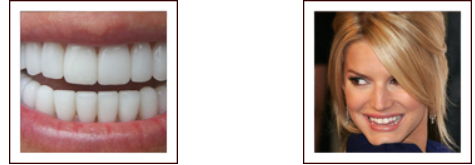
Full Mouth Rehabilitation
This is a concept where after a proper examination and diagnosis a treatment plan is sketched out to fully rehabilitate patient’s quality of teeth and associated structures to the maximum possible function and aesthetics…
In this Process the diagnosis wall point out:-
- Number of teeth missing
- Number of teeth decayed or carious
- Identify loose and mobile teeth
- Identify gum disease
- Recession of gums
- Discoloration of teeth
- Crowding and mal-alignment of teeth
- Identify the state of oral hygiene
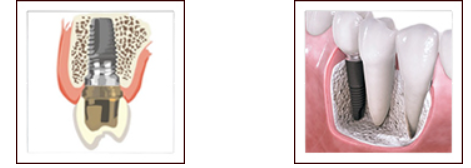
Implants
A dental implant is an artificial tooth root that a periodontist places into your jaw to hold a replacement tooth or bridge. Dental implants are an ideal option for people in good general oral health who have lost a tooth or teeth due to periodontal disease, an injury, or some other reason.
While high-tech in nature, dental implants are actually more tooth-saving than traditional bridgework, since implants do not rely on neighboring teeth for support.
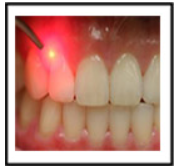
Laser Periodontal Surgery
Did you know that laser periodontal surgery eliminates up to 99% of bacteria that causes gum disease? It is a non-invasive, gentle alternative to the dreaded scalpel and suture procedure If you have gum disease that has gone from mild to severe ask
There are various uses of Laser in Periodontal surgeries and endodontic treatment:-
- Periodontal Flap Surgery
- Implant therapy
- Gingivectomy
- Crown lengthening
- Abscesss drainage
- Minor surgical procedures
- Frenectomy
- Removal of enlarged tissue or growth
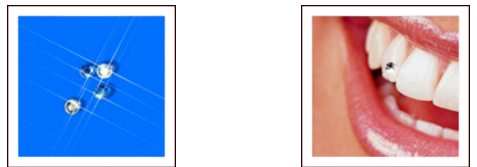
Tooth Jewellery
Teeth jewellery is a brilliant way to add sparkles to your smile and stand out of the crowd. The beauty of a dazzling white smile can be further enhanced by use of “Tooth Jewellery”. These jewels are made of crystal glass and are available in various colors. They are glued to the front surfaces of the upper anterior teeth. Placing these stones is a very brief procedure but it goes a long way in satisfying the dental cosmetic needs of the patient.
- It’s temporary
- It’s painless
- Its fun
- No drilling or holes
- Does not harm the tooth
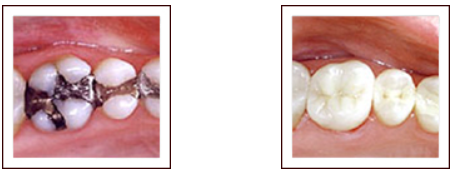
Cosmetic fillings
As a patient, your dentist should inform you of the availability of the white composite fillings. If you have had amalgam fillings placed in your mouth without being offered the option of having white fillings instead, the dentist has not performed his or her legal duty. Given the opportunity to make a fully informed choice, my experience is that the vast majority of today’s dental patients will choose the white fillings
Advantages Of White Fillings:-
- Since they bond to the tooth, composite fillings restore most of the original strength of the tooth.
- Composite fillings restore the natural appearance of the tooth.
- Teeth restored with white fillings are less sensitive to hot and cold than teeth restored with amalgam, if correct techniques are used.
- Composites are mercury-free. Mercury in the fillings is viewed by some as being toxic.
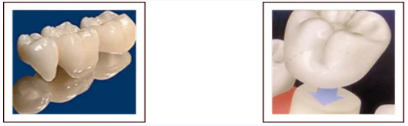
Crowns And Bridges
A bridge stabilizes the bite of a patient who is missing one or more teeth. Dental bridges are meant to replace missing teeth by “bridging” the gap between two remaining teeth. This involves creation of a pontic (false tooth)…
A fixed bridge helps to:-
- Replace missing tooth/teeth
- Helps balance a normal bite
- Helps prevent undesirable stress on the dental ridge
- Prevents over-eruption of the opposing teeth
- Prevents drift and tilt of adjacent teeth
- Prevents tooth decay in adjacent drifted teeth
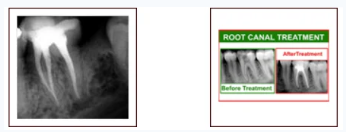
Root Canal Treatment
In simple terms, root canal treatment is the removal of the infected soft tissue within the tooth and its replacement by an artificial inert ‘filling’ material. This procedure basically saves the tooth and eliminates dental pain
Advantages of getting it done at Dr.Viral’s Clinic :-
- Absolutely painless and extremely comfortable.
- Generally completed in a single sitting of 45 minutes. If required, upto 6 root canals can be performed in a single sitting
- Performed by experienced endodontists who exclusively practice root canals. (endodontists are dentists who further specialize in the root canal treatment)
- Single Visit treatment in 95% cases
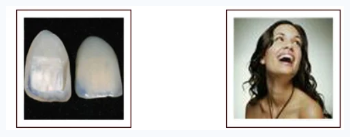
Veneers and Laminates
Dental veneers (sometimes called porcelain veneers or dental porcelain laminates) are wafer-thin, custom-made shells of semi translucent tooth-colored porcelain designed to cover the front surface of teeth. These shells are bonded to the front of the teeth changing their color, shape, size or length and resulting in an improved appearance
- Laminates are significantly thinner than traditional veneers.
- Laminates typically require less, or even no, tooth preparation, while veneers require more.
- Veneers are better suited for substantial changes to shape and alignment
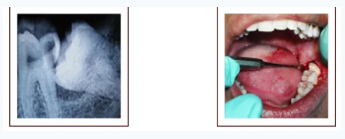
Impaction Wisdom tooth
Wisdom teeth usually emerge from the gum (erupt) between the ages of 17 and 24. They are the last of the molar teeth. Some people never develop wisdom teeth; others have up to four – one in each corner of the mouth Wisdom teeth often cause no problems.
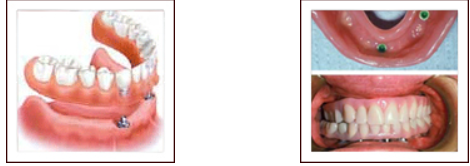
Implants With Denture
We also provide Implant with denture. These are especially useful when the upper or lower jaw bone is poor and causes the denture to be loose. ISODs offer much better retention
Indications Of Implant With Dentures
- Denture stabilized with implants. So renewed confidence and improved quality of life as well.
- Possible to use existing dentures.
- Removable.
- Simple and relatively Inexpensive

Root Planning
Scaling and root planing is the most common and conservative form of treatment for periodontal (gum) disease. Scaling is the removal of calculus (commonly called tartar) and plaque that attach to the tooth surfaces. The process especially targets the area below the gum line, along the root. Plaque is more likely to stick to rough surfaces. For this reason, the root surface is smoothed down in a process called root planing. Root planing removes any remaining calculusand smoothes irregular areas of the root surface.
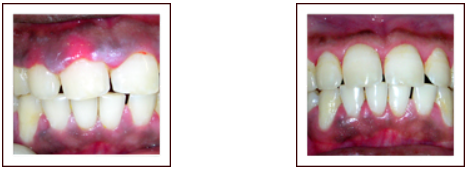
Gingivectomy
Gingivectomy is the removal of gum tissue (gingiva) by surgery. Gingivoplasty is a type of gum surgery used to reshape healthy gum tissue around teeth. Both types of surgery are typically performed by periodontists. These dentists specialize in treating gums and the other structures that support teeth
It is more commonly used to improve the appearance of gums. Gum tissue may need to be removed for two reasons
- Gaps (pockets) have formed between the teeth and gums
- There is too much gum tissue around your teeth
- Provide support for a denture, making it more secure and comfortable
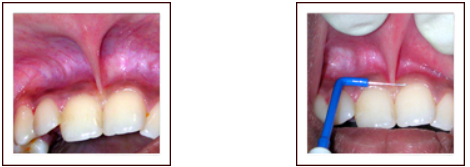
Frenectomy
A frenectomy is the surgical removal of frenulum or frenum (frenae – plural), which is a thin band of tissue found in various parts of the body, especially the mouth. A frenectomy is a common surgical procedure in dental and orthodontic practices. Children and people being fitted for dentures are the most frequent candidates for a frenectomy.
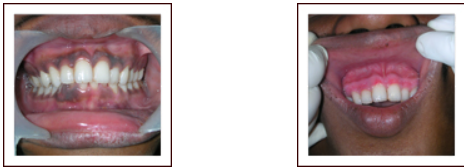
Depigmentation
A smile expresses a feeling of joy, success, sensuality, affection and courtesy, and reveals self confidence and kindness. The harmony of the smile is determined not only by the shape, the position and the color of the teeth but also by the gingival tissues. Gingival health and appearance are essential components of an attractive smile. Gingival pigmentation results from melanin granules, which are produced by melanoblasts
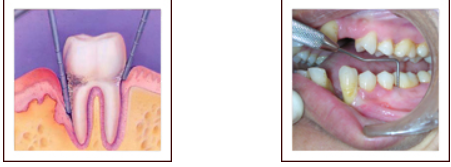
Flap surgery
Flap surgery involves lifting back the gums and removing the tartar. The gums are then sutured back in place so that the tissue fits snugly around the tooth again.Periodontal Flap Surgery, which is also called pocket depth reduction, your periodontist folds the gum back away from the tooth. Periodontal Flap surgery is recommended in many cases where pocketing depths have reached a level that makes maintenance or cleansing difficult. It is often associated with areas of bone loss and inflammation of the gum tissue around the teeth.
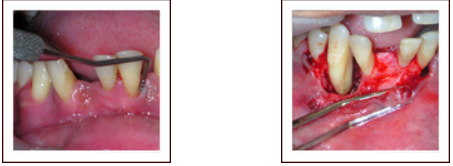
Bone grafting
A bone graft is used to recreate bone and soft supporting tissues lost due to gum disease. It’s also called regenerative surgery.
Regenerative surgery is a treatment for the gum disease called periodontitis. People with periodontitis lose gum coverage and bone support around their teeth. Regenerative surgery regrows these lost tissues.
GTR
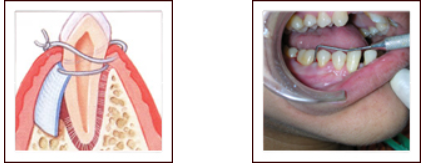
Guided tissue regeneration is a surgical procedure that utililizes a barrier membrane which is placed under the gum and over the remaining bone. The purpose of the procedure is to enhance and allow for the regeneration of new bone in an area where teeth are being extracted or have already been removed. This surgical procedure is usually done to increase the bony support in an area where a dental implant is about to be placed. The surgery results in an improvement in the shape and contour of the area.
Connective tissue grafting
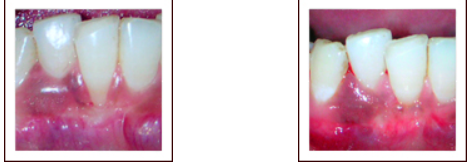
Gingival recession is an intriguing condition. The patients today are increasingly conscious of personal appearance and much attention has been focused on denuded roots that are exposed during smiling and are unesthetic. The use of subepithelial connective tissue graft represented a major breakthrough in root coverage grafting. The graft is taken from the palatal tissue and sutured at the recipient site. The procedure can be considered as the most delicate surgical procedure amongst all periodontal surgical procedures and so extreme caution during the surgical procedure as well as post-operatively have to be followed.
Ridge augmentation
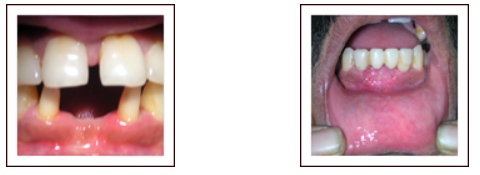
Sometimes when you lose one or more teeth, you can get an indention in your gums and jawbone where the tooth used to be. This happens because the jawbone recedes when it no longer is holding a tooth in place.Not only is this indentation unnatural looking, it also causes the replacement tooth to look too long compared to the adjacent teeth.
Sinus Lift Operation
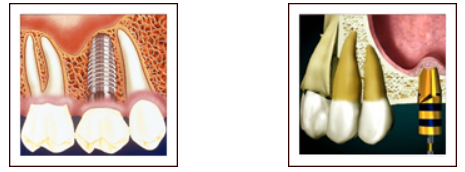
A sinus-lift procedure is a surgical procedure, performed by an appropriately trained dentist or dental specialist, to augment bone mass in the top jaw (maxilla), which increases the likelihood of successful placement of dental implants. Bone from another part of the body, such as the iliac crest, or artificial bone grafting material is grafted into the bone (endosseous) below the floor of the maxillary sinus
Orthodontics
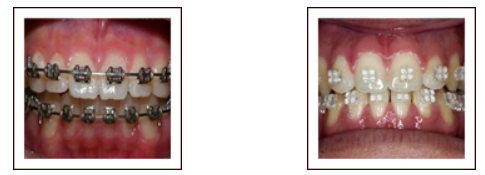
Metal Braces
Metal brackets are the ones that are most frequently used. They appear as small metal buttons that are glued to the front of each tooth. These tend to be less expensive than other types of brackets. Additionally, they can be made colorful with ligature rubber bands that come in a wide range of colors.
Ceramic (Tooth Colored) Braces
Ceramic brackets are made of composite materials. They are very strong and generally do not stain. Adults like to choose ceramic because they “blend in” with the teeth and are less noticeable than metal.
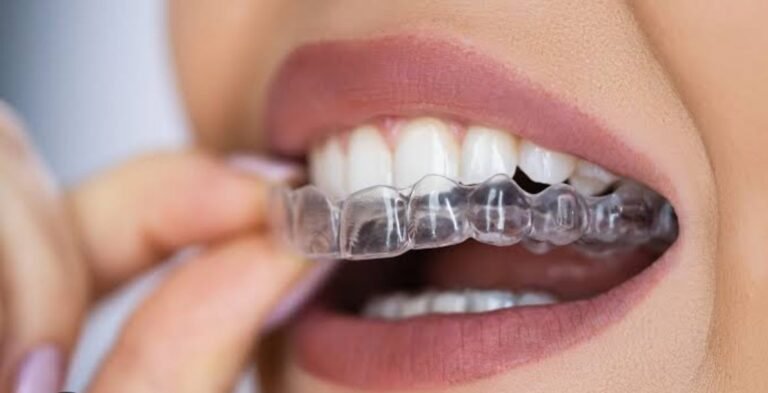
Aligners
Clear teeth aligners are transparent plastic trays that gradually straighten misaligned, crooked and crowded teeth for people of all ages ( 10 to 50 ). They are comfortable and a removable alternative to painful braces.